There is something that happens between the first brushstroke and the last detail that no algorithm can replicate. I’ve been thinking about this a lot lately — and “Sabine” is the painting that finally made me say it out loud.

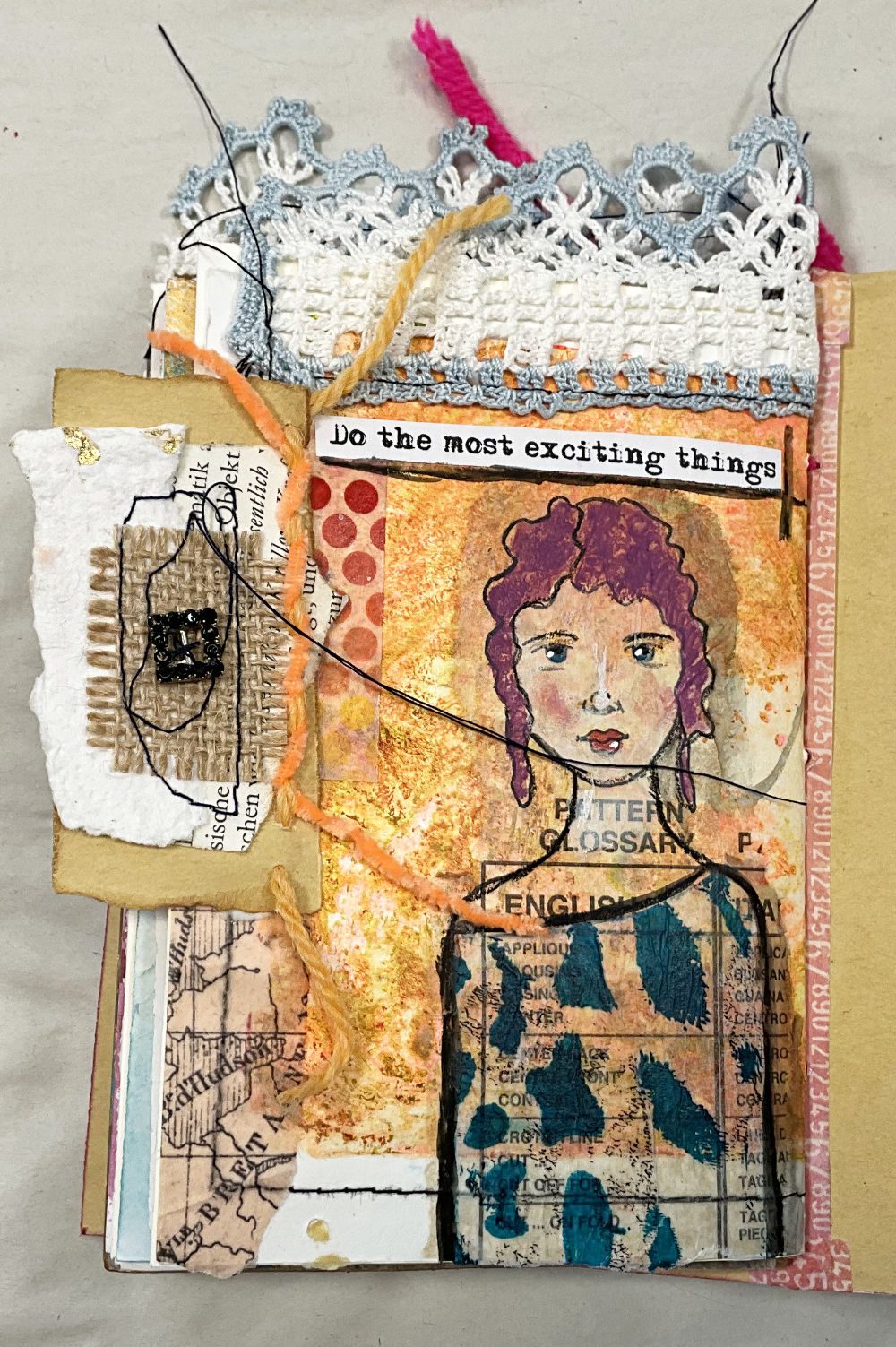
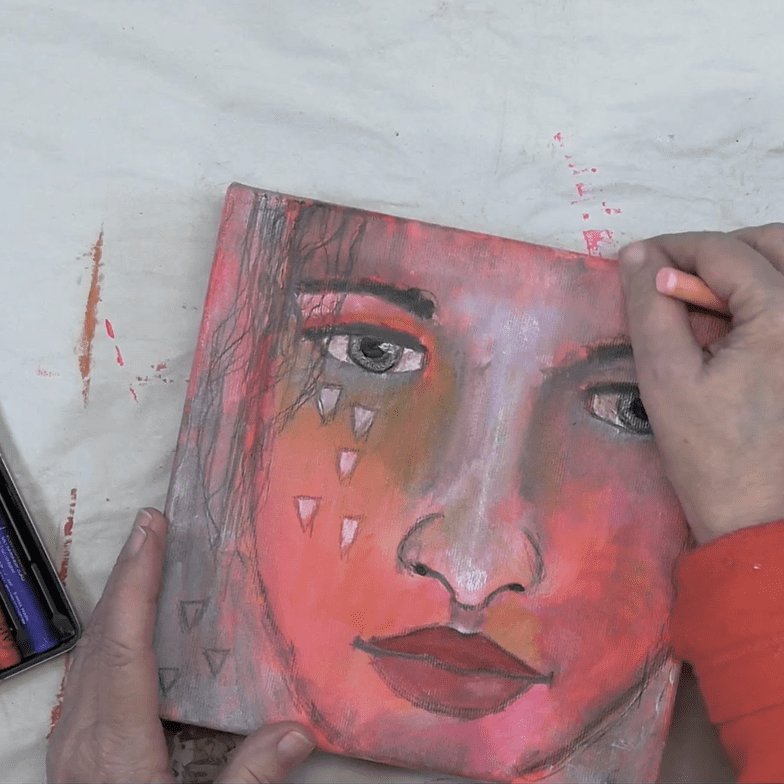
Sabine is a 20×20 cm mixed media portrait on canvas. I worked with acrylics, oil-based charcoal and Neopastel, letting the colors build up in layers — warm oranges pushing through neon-tinged pinks, the charcoal lines pulling the face into focus. She has those eyes that seem to be looking straight through you. She took time. She took decisions. She took presence.
The process
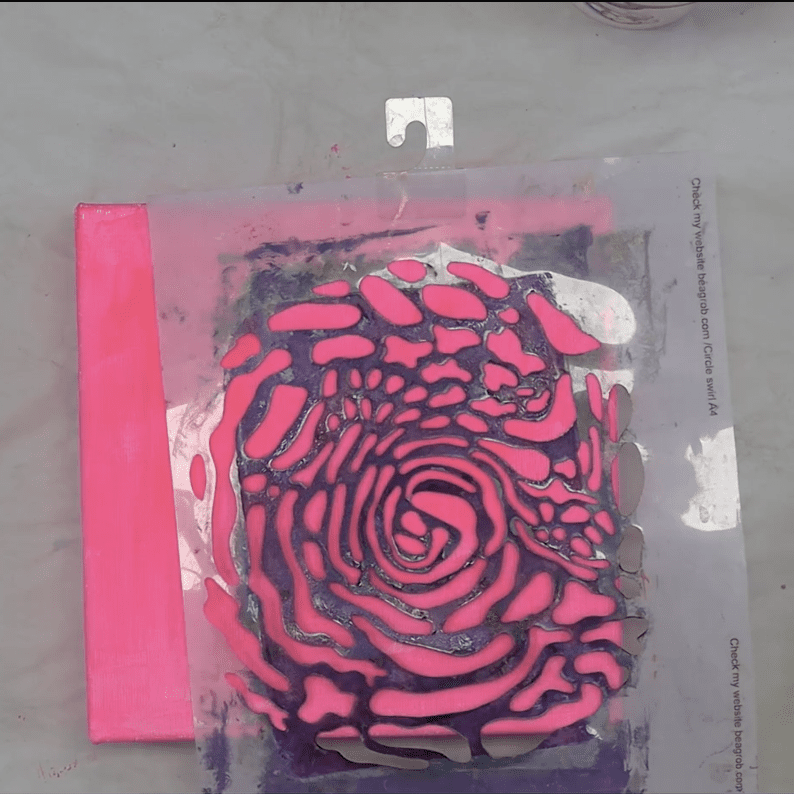
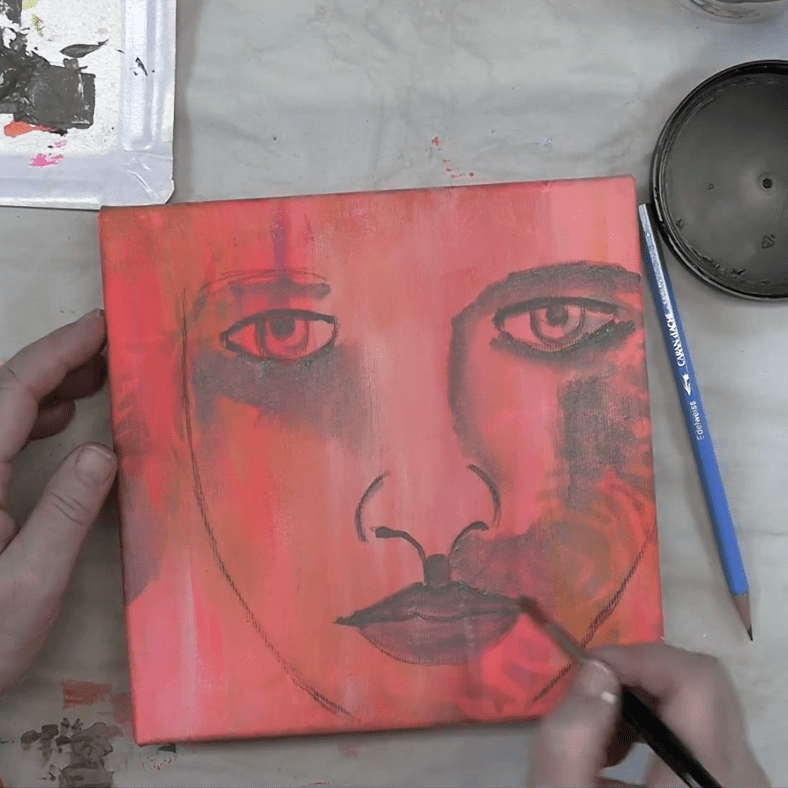
I started, as I often do, with an acrylic underlayer — a wash of color that sets the mood before I even know where the face will land. The oil-based charcoal came in to sketch the structure: brow line, nose, the particular weight of her gaze. Then Neopastel to soften, blend, and push warmth into the shadows.
The triangular marks on her cheek — those appeared intuitively. A rhythm, almost like a quiet ritual. I didn’t plan them. They simply belonged there.
The bigger question
Somewhere during the voiceover for the timelapse video, I shifted from talking about paint to talking about people. About what it means to sit with a blank canvas and make something that didn’t exist before. About the rise of AI-generated images, beautiful and abundant — and what we lose if we stop valuing the slow, imperfect, deeply human act of making art by hand.
I’m not anti-technology. I use it every day. But I believe that when a human makes a mark — a real mark, with a real hand, with intention and uncertainty and joy — something is transmitted that no model can generate. A presence. A decision. A moment of being alive.
That’s what Sabine holds. And that’s why I’ll keep painting.
Watch the timelapse
The full process video — with voiceover about materials, technique, and this very question — is on YouTube now. I’d love to hear what you think.